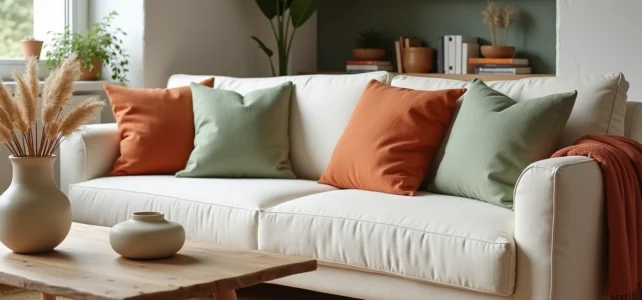
The interior decoration market is undergoing a phase of reorganization. Sustainable and recycled materials are gaining ground, biophilic design is settling into the catalogs of mainstream brands, and multifunctional spaces related to remote work are reshaping how we think about each room. These three structural axes profoundly change the choices available for anyone looking to rethink their interior.
Sustainable materials and eco-design in interior decoration
Recent training in interior architecture now includes modules dedicated to regulatory developments (safety, accessibility, energy performance) and eco-design. This academic shift reflects a concrete change on the ground: the materials offered to individuals are no longer the same as they were five years ago.
Certified wood, low-VOC paints, recycled textiles, and natural lime-based coatings are increasingly present in showrooms. The preference for energy-efficient lighting accompanies this movement, with LED fixtures integrated from the project’s design stage.
Several specialized brands, such as bycarolineandco.fr, offer selections that reflect this orientation towards decorative objects designed to last. Choosing a recycled material or a refurbished second-hand piece is no longer seen as an aesthetic compromise but as a coherent approach aligned with current expectations.
Field feedback varies on this point: some artisans note that the demand for natural materials is significantly increasing, while others observe that price remains the primary decision criterion for most clients. The trend exists, but it does not apply uniformly.
Biophilic design: integrating plants into every room
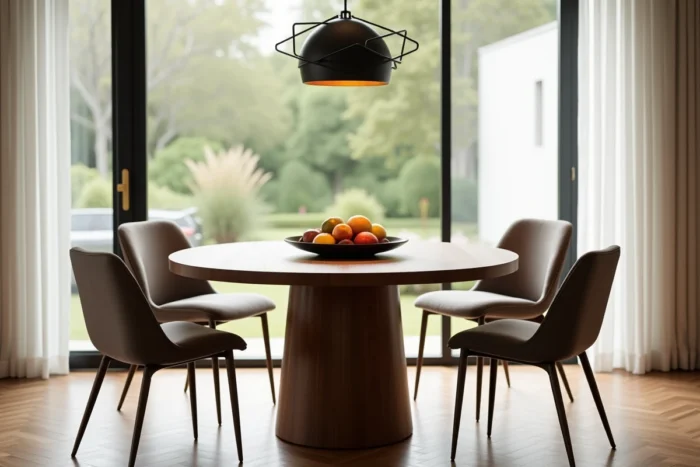
Biophilic design is not just about placing three green plants on a shelf. It is a design principle aimed at reconnecting the interior space with natural elements: maximized natural light, visible raw materials (stone, untreated wood, cork), and the presence of living plants at various scales.
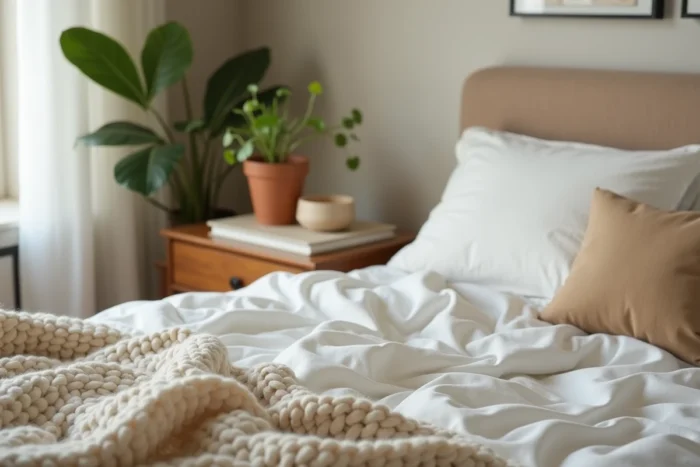
In a living room, this can take the form of a stabilized green wall or simply a high arrangement of plants that visually structures the space. In a bedroom, choosing colors inspired by nature (terracotta, sage green, sandy beige) can sometimes produce the desired effect.
What biophilic design concretely changes
This approach alters the hierarchy of decorative choices. Instead of starting from the style (Scandinavian, industrial, bohemian) to then choose materials, one starts from the materials and light to create an ambiance. The wall color, type of flooring, and orientation of openings become the primary decisions.
- Favor a light wood or natural stone floor over synthetic flooring, even if the budget is tighter at first
- Position the main living areas (sofa, desk, dining area) near sources of natural light
- Integrate at least one living plant element per room, considering the actual exposure (no ficus in a windowless hallway)
- Choose textiles made from natural fibers (linen, cotton, wool) for curtains and cushions rather than polyester
This approach works particularly well in small spaces, where the feeling of suffocation often comes from an excess of synthetic materials and a lack of light.
Multifunctional spaces and modular furniture for the living room
Remote work has permanently changed the function of the living room and guest bedroom. A space that was solely for entertaining must now accommodate a desk, sometimes a reading nook, and regain its social function in the evening.
Custom or modular furniture meets this need. A foldable desk integrated into a bookshelf, a coffee table that rises to dining height, a sofa with reconfigurable modules: these solutions exist at various price points and do not necessarily require the intervention of an interior designer.
Balancing modularity and aesthetics
The classic trap is to accumulate “smart” furniture that, when combined, produces a disjointed interior. Modularity works when it fits within a coherent color and material palette.
In practice, it is better to choose two or three dominant materials for the entire room (for example, light wood, black metal, and natural linen) and stick to them for each element, whether fixed or modular. The result then appears intentional, rather than haphazard.
Colors and style: the choices that truly structure a home
Color trends change every season in magazines. However, combinations that work over time follow stable principles. A room gains depth when it combines a dominant neutral shade (main wall) with an accent color used sparingly (one wall, cushions, a piece of furniture).
- Sage green and terracotta remain safe bets for adding warmth without saturating the space
- Off-white (and not pure white, which is often too cold under artificial lighting) remains the most versatile base for a living room or kitchen
- Dark colors (navy blue, forest green) work in naturally well-lit rooms but can overwhelm a north-facing bedroom
A common mistake is to choose wall color last, after the furniture and accessories. The wall color conditions the perception of everything else: it should be the first decision, tested in situ with samples before any purchase.
Interior decoration gains coherence when choices of materials, light, and color are made in this order, before selecting objects and furniture. This is a reversal of the usual approach, which consists of accumulating favorite pieces and hoping they match. The result may not be spectacular in a photo, but it endures over time, which remains the best criterion for judging a successful interior.