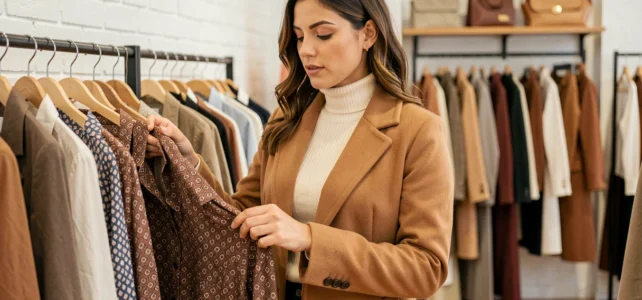
The spring-summer 2026 shows have delivered their verdicts, and the upcoming season does not resemble a mere recycling of the usual codes. The fashion trends this season revolve around contrasting textures, hybrid silhouettes, and accessories that take precedence over the outfit itself. Tailoring is relaxed, materials become more tactile, and layering replaces the search for the perfect unique piece.
Tactile materials and texture contrasts: the true thread of the season
Colors often take center stage in seasonal reviews. This season, it is the materials that truly dictate the style. Satin, linen, suede, smooth leather, crochet, openwork finishes: the diversity of textures offered by brands reflects a logic of contrast between fluidity and structure.
Specifically, this means that a raw linen shirt worn under a satin blazer creates a more striking effect than a total monochrome look. Crochet, long confined to beachwear, appears on structured tops and bags. The contrast of textures replaces the contrast of colors as the main lever for personalization.
For those looking to visit the fashion page of Style Papers, this is a good starting point to see how these combinations work in practice on complete silhouettes.
The return of suede deserves particular attention. Short jackets, midi skirts, accessories: this material brings a sensory dimension that cotton or polyester cannot replicate. Paired with linen or fine knitwear, suede creates a textured layering that works equally well in the office and outdoors.
Hybrid silhouettes: dresses over pants and offbeat layering
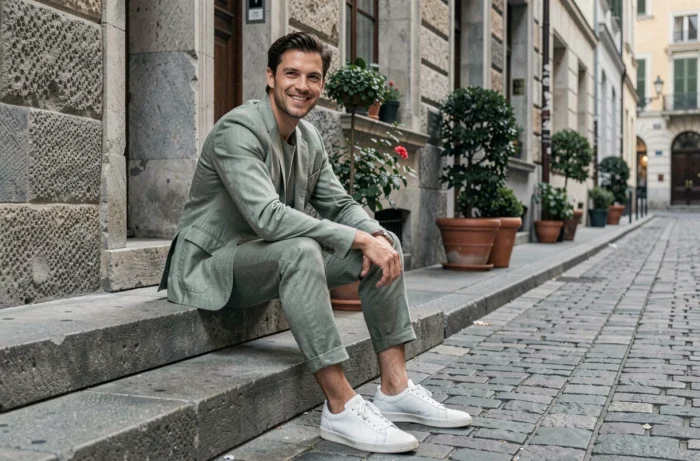
The most significant trend this season can be summed up in one word: hybridization. Pieces are no longer worn according to their original function. Satin dresses are worn over pants. Skirts are layered over wide trousers. Ghost dresses (those light, almost transparent dresses) are used as an intermediate layer rather than as the main piece.
This diversion of volumes is not a style exercise reserved for the runways. It meets a practical need: adapting an outfit to temperature or context variations without completely changing clothes. A fluid pant under a midi dress allows for a transition from a terrace lunch to an evening out without returning to the changing room.
Mastered layering rather than accumulation
The nuance is there: the layering that works this season does not randomly stack layers. Recent combinations highlight calibrated pairings, often limited to a maximum of three layers, with a play of visible lengths. A loose shirt peeking out from a short blazer, worn over wide trousers, creates a coherent silhouette without excessive volume.
Quiet luxury directly influences the way of layering. Noble materials, clean cuts, and the absence of visible logos give layering a more refined appearance than the streetwear overlaps of previous seasons.
Fashion accessories 2026: scarves, minimalist jewelry, and soft bags
Several sources converge on one point: accessories become this season more decisive style markers than the basic outfit. In other words, a simple silhouette (straight jeans, white shirt, blazer) radically changes its register depending on the accessories that accompany it.
The standout pieces include:
- Silk scarves worn in the hair or tied around the wrist, adding a targeted touch of color without altering the balance of the outfit
- Minimalist yet visible jewelry, fine layered chains or geometric rings, replacing the massive accumulations of past seasons
- Soft bags with a soft construction, in leather or suede, moving away from rigid and structured formats for a more relaxed effect
- Sculptural shoes (architectural heels, asymmetrical sandals) that serve as a focal point of a minimalist outfit
A well-chosen accessory transforms a silhouette more than an additional garment. This is probably the most applicable lesson for everyday life this season.
Sustainable fashion and purchasing decisions: what is changing concretely in France
The sustainable dimension is no longer a peripheral marketing argument. In France, it is beginning to weigh on purchasing decisions in a measurable way. Environmental labeling, textile labels, and material traceability are becoming criteria that consumers integrate into their choices, even for impulsive purchases.
Field reports diverge on this point: some buyers systematically favor committed brands, while others prioritize price as the main criterion and see sustainability as a bonus. The trade-off between style, budget, and environmental impact remains at the center of purchasing behaviors this season.
Favoring versatile pieces
A practical approach to reconcile trends and sustainability is to invest in pieces that work in multiple contexts. A linen blazer with pronounced shoulders, for example, can be worn with jeans during the day, over a dress in the evening, and will carry through several seasons without looking dated.
Natural materials (linen, thick cotton, merino wool) age better than synthetics and withstand more washes. It’s a simple calculation: a piece worn fifty times costs less per use than a piece worn five times, regardless of its initial purchase price.
The fashion trends of this season share a common trait: they reward thoughtful choices rather than accumulation. Contrasting textures, calibrated layering, targeted accessories, sustainable materials. Unique style is not built by following every micro-trend, but by selecting the few pieces and combinations that match one’s morphology, daily life, and priorities.