Choosing a car is no longer just about comparing technical specifications and catalog prices. Recent vehicles come equipped with electronic systems that affect both maintenance costs and resale ease, and European regulations are gradually changing the rules of the game for both owners and repairers.
Access to vehicle data: what the Data Act changes for car maintenance
Since September 12, 2025, the European regulation on data (Data Act, EU Regulation 2023/2854) allows the owner of a connected vehicle to access the data generated by their car and to transmit it to a service provider of their choice. An independent repairer can therefore receive diagnostic information directly, without going through the manufacturer’s network.
This opening has a concrete consequence on the choice of a vehicle. Before purchasing, checking if the targeted model allows smooth access to maintenance data points towards more competitive long-term maintenance costs. Manufacturers that still lock access to technical information effectively limit the number of garages that can intervene, which drives prices up.
The ads and comparators available on jvoiture.fr allow you to cross-reference models with their technical characteristics, a useful first filter before delving into the issue of maintainability.

Electric car maintenance: high voltage battery and hidden costs
Classic advice (checking levels, monitoring tires, inspecting brakes) remains valid for an electric vehicle. However, it only covers part of the subject. The traction battery and high voltage safety add specific maintenance items that many owners discover after purchase.
Intervening on a high voltage system requires electrical certification and dedicated tools. Not all garages have these skills, and the local availability of trained technicians varies greatly by region. Before choosing an electric model, it is relevant to list the authorized workshops near your home or workplace.
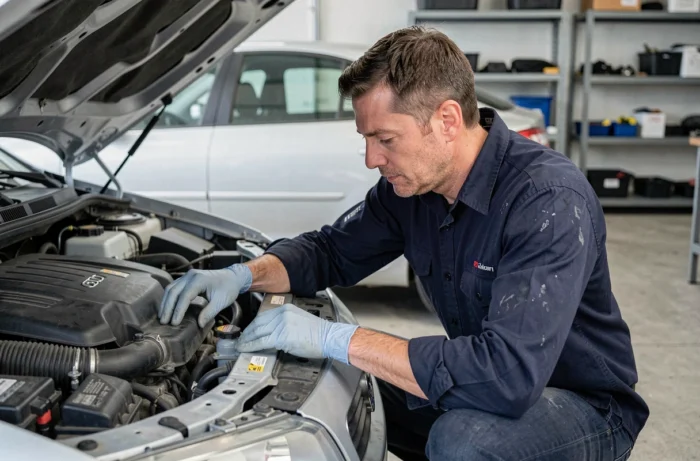
Electronic repairs and sensor calibration
Recent vehicles, whether thermal or electric, increasingly require electronic operations: part coding, software updates, calibration of driving assistance systems. A simple windshield replacement may necessitate a camera recalibration that costs as much as the part itself.
European rules are gradually strengthening independent repairers’ access to this information. The delegated regulation (EU) 2026/699 specifies the conditions for accessing the data necessary for parts matching and battery diagnostics. Field reports vary on this point: some independents report improved access, while others find that manufacturer tools are sometimes still required.
ZFE compatibility: a selection criterion before buying a vehicle
Low emission zones (ZFE) now affect several French urban areas and condition the daily use of a car. Checking ZFE compatibility before purchase avoids an unpleasant surprise a few months later when the vehicle is banned from circulation in the area where you work.
The Crit’Air sticker assigned to the vehicle determines its access to ZFE. Restriction calendars vary from one metropolitan area to another, and the available data does not always allow for conclusions about the exact deadlines, as some local authorities have postponed or relaxed their initial restrictions.
- Identify the Crit’Air classification of the targeted model and compare it with the restrictions in force in your urban area.
- Anticipate changes: a Crit’Air 3 vehicle allowed today may be excluded in two or three years depending on the local calendar.
- For a used vehicle, check the date of first registration, which determines the sticker, and not just the Euro standard displayed by the seller.
Routine maintenance: items to monitor based on the type of engine
The basic maintenance remains common to all types of engines: tire pressure, brake condition, vehicle cleanliness, and lighting checks. The difference lies in the frequency and cost of specific interventions.
Thermal engine
Oil changes, filter replacements (oil, air, cabin), and monitoring the timing belt are recurring items. An up-to-date maintenance log protects resale value and may condition the maintenance of the manufacturer’s warranty.
Electric engine
The absence of oil changes and belts reduces the number of periodic interventions. However, the battery coolant, the condition of the charging cable, and the inspection of the regenerative braking system require regular attention. Regenerative braking reduces wear on the pads, but it can mask a problem with the discs if their condition is not visually checked.
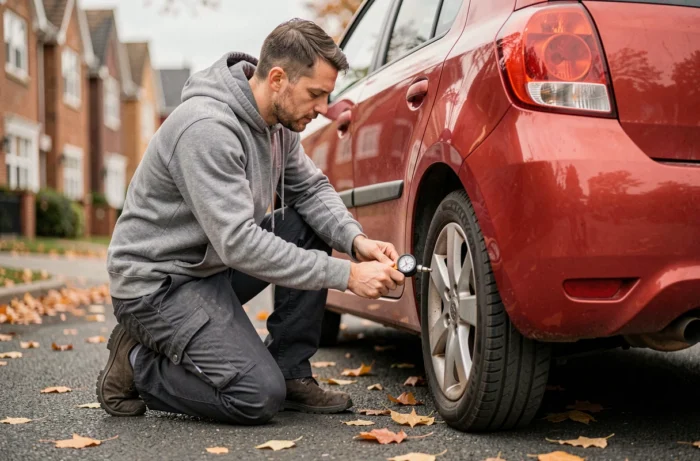
- Check tire pressure at least once a month, regardless of the type of engine. A under-inflated tire increases consumption and accelerates wear.
- Regularly clean the interior and bodywork to limit degradation of plastics and paint, especially in urban environments.
- Keep all maintenance receipts: invoices, stamps in the logbook, electronic diagnostic reports.
The daily maintenance of a car relies on simple actions, but the choice of vehicle beforehand largely determines the effort and budget required. Cross-referencing the engine type, local availability of repair skills, and ZFE compatibility provides a more reliable picture of the real cost of ownership than just the purchase price displayed in an ad.